
If you're new to the sport, one of the first questions that comes up is whether players use pickleball paddles or rackets. Because pickleball blends elements of tennis, badminton, and table tennis, beginners often assume that a racket is involved. The truth is simpler: pickleball is played with a paddle — and understanding why makes it easier to choose the right equipment for your game.
This guide breaks down the real difference between pickleball paddles and rackets, the technology behind modern paddles, and how beginners can confidently select equipment that supports their learning and playing style.
What Exactly Is a Pickleball Paddle?
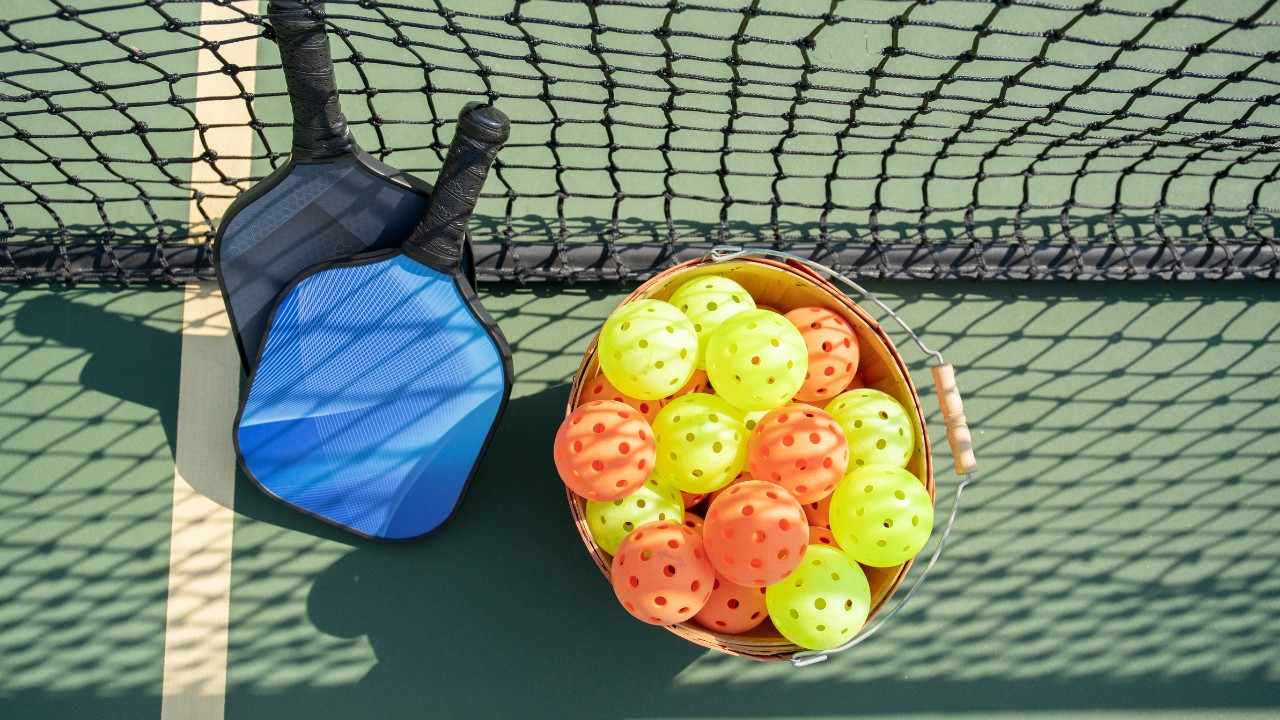
A pickleball paddle is the official and only type of hitting equipment used in the sport. Unlike tennis or badminton rackets, pickleball paddles have a solid face, no strings, and a compact shape designed for control, touch, and quick reaction time.
Key characteristics of a pickleball paddle
• Larger than a ping pong paddle but far smaller than a tennis racket
• Weighs between 7 and 9.5 ounces
• Shorter handle designed for faster maneuverability
• Built from modern materials like graphite, fiberglass, and carbon fiber
The solid surface gives players the ability to place shots precisely, react quickly at the kitchen line, and keep rallies dynamic without relying on strings for power.

Why Beginners Often Say “Pickleball Racket”
It’s completely normal for new players to refer to their gear as a racket. The confusion comes from similarities in how the sports feel:
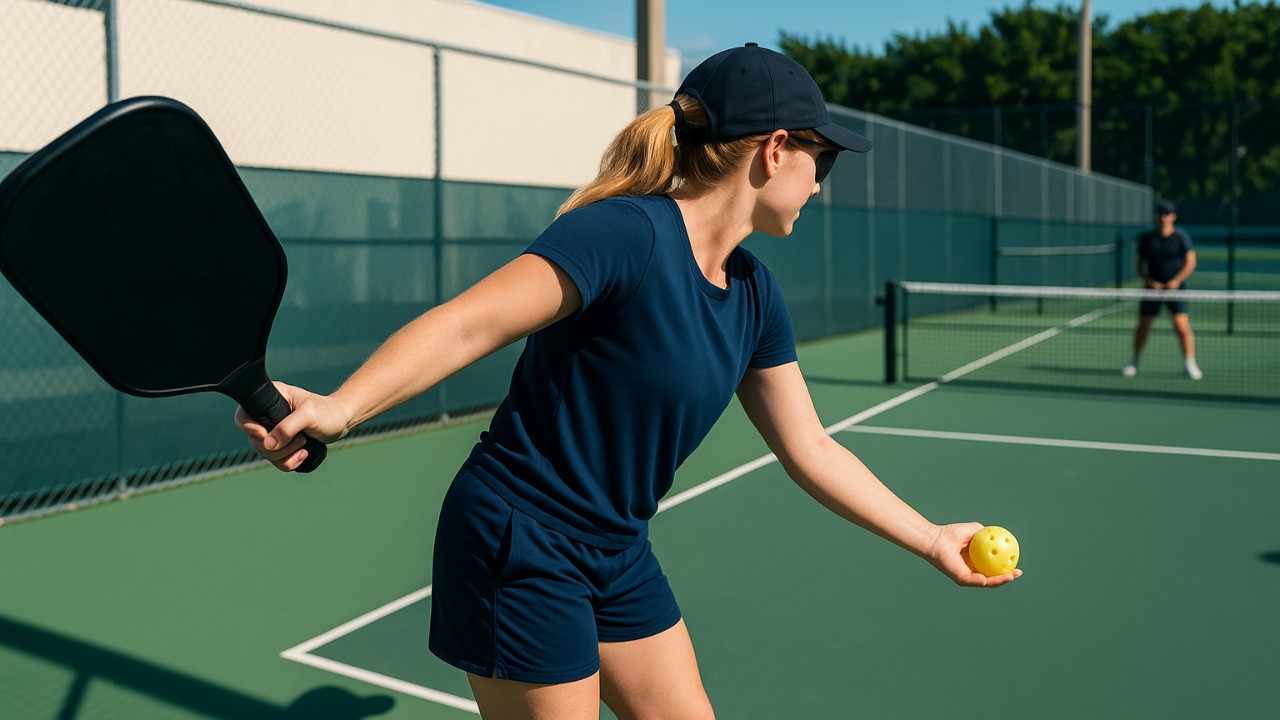
• The swing resembles a smaller version of a tennis motion
• The sport is played on a shrunken-down tennis court
• Many newcomers transition directly from tennis or paddle sports
However, in the official rulebook, tournaments, and equipment standards, the approved terminology is always paddle, not racket.
So when comparing pickleball paddles or rackets, remember: a racket doesn’t exist in pickleball — it’s just common beginner vocabulary.
If you want to understand how ball choice impacts your game, this guide on Indoor vs Outdoor Pickleballs.
Modern Paddle Technology: How Today’s Paddles Perform
Paddles have evolved tremendously as pickleball has grown. Instead of basic wooden constructions, today’s paddles use high-performance engineering to deliver power, control, and spin.
Core Types
• Polymer honeycomb – soft, quiet, forgiving; ideal for beginners
• Nomex – stiff, loud, powerful; preferred by aggressive hitters
• Aluminum – lightweight with solid control feedback
Surface Materials
• Graphite – ultra-light, excellent for precision
• Fiberglass – generates more power and pop
• Carbon fiber – durable, textured, great for spin
Grip Size
The right grip size prevents arm strain and improves stability. Too small encourages excessive wrist use, while too large reduces finesse.

Paddle vs Racket: Understanding the Real Difference
When comparing pickleball paddles or rackets, the key difference is the hitting surface:
Paddles
• Solid surface
• Designed for finesse, control, and hand-speed
• Ideal for a plastic perforated pickleball
Rackets
• Strung with tension
• Designed for pressurized balls like those used in tennis
• Built to generate power through string elasticity
A pickleball doesn’t compress like a tennis ball, making string-based rackets ineffective. That’s why paddles give the best blend of control and playability.
And just like paddles matter, the ball you choose affects your game, too. Learning the difference between indoor and outdoor pickleballs gives beginners even more clarity on performance and bounce.
How Beginners Should Choose Their First Pickleball Paddle
The first paddle you choose shapes how quickly you develop consistency and comfort on the court. Beginners should focus on:
Weight
• Light paddles (7–8 ounces) are easier to swing
• Midweight paddles offer balanced control and power
Grip Size
• Smaller grips = more wrist mobility
• Larger grips = stability and reduced strain
Shape
• Standard paddles = best all-around option
• Elongated paddles = extra reach for shots outside your comfort zone
Budget
Starter paddles are affordable, while higher-end models offer advanced materials and a better feel.
Helpful tip:
Borrow or test paddles from friends, clubs, or demo programs before buying. Comfort matters more than specs.

Why the Paddle Decision Impacts Your Entire Game
Choosing between pickleball paddles or rackets isn’t simply about terminology — it’s about selecting the tool that gives you confidence as you learn. The right paddle can:
• Reduce arm fatigue
• Improve control in the kitchen
• Help you learn spin and soft touch
• Increase consistency on serves and returns
As a beginner, a well-balanced paddle ensures your technique develops cleanly rather than compensating for equipment mismatches.
How Pickleball Equipment Has Evolved Over the Years
In the early 1960s, pickleball started with wooden paddles that resembled oversized table tennis paddles. Today, technology has advanced to feature:
• Carbon fiber faces
• Edge guards
• Textured spin surfaces
• Enhanced honeycomb cores
• Aerodynamic shapes
These upgrades reflect the sport’s growth from backyard pastime to national phenomenon with professional tours.
What This Means for New Players
The debate around pickleball paddles or rackets comes from confusion, not choice. In pickleball, you always use a paddle — and understanding this helps beginners make smarter equipment decisions.
A paddle influences every single shot you hit — your touch, your power, your spin, and your overall comfort on the court. Choosing wisely sets the foundation for fast improvement and more enjoyable play.
So the next time you hear someone ask about a pickleball racket, you’ll know the answer: the sport doesn’t use rackets at all. It uses paddles — and the right paddle is your most valuable partner as you grow in the game.






Write a comment ...