
Barrier films are essential components in both industrial and medical device interfaces. They protect sensitive electronics, maintain hygiene, and ensure the long-term performance of equipment exposed to challenging environments. Choosing the right film can significantly impact durability, user safety, and device reliability.
This guide explores what barrier films are, their working principles, the differences between industrial and medical applications, and what designers and engineers should consider during development.
1. What Are Barrier Films and Why Do They Matter
Barrier films are thin material layers used to block moisture, gases, chemicals, or microbial contaminants. They are often applied to protect internal components or maintain a sterile surface. In industrial settings, they safeguard sensors or electronics from dust and liquids. In medical environments, they help maintain sterility and biocompatibility, especially on devices used in direct contact with patients.

2. How Barrier Films Work
Barrier performance is typically measured by:
Water vapor transmission rate (WVTR)
Oxygen transmission rate (OTR)
Resistance to chemicals and microbes
Mechanical durability
Barrier effectiveness depends on several material properties, including film thickness, polymer composition, added coatings, and the quality of sealing. Flexibility and long-term stability also play an important role, especially in wearable or flexible electronics.
3. Types of Barrier Films Used in Interfaces
There are several categories of barrier films used in industrial and medical products:
Single-layer polymer films – Basic protection at low cost. Suitable for moderate environments.
Multi-layer laminated films – Combine materials to improve strength and barrier performance.
Metallized or coated films – Add aluminum or oxide coatings to block moisture and gas. Common in high-performance packaging or sealed interfaces.
Functional barrier films – Include antimicrobial layers, transparency for displays, or compatibility with sterilization.
Each type has different trade-offs in terms of cost, flexibility, clarity, and protection level.

4. Industrial vs Medical Barrier Film Requirements
Barrier film selection depends on the intended use. Here is how industrial and medical applications differ:
Industrial Interfaces:
Protection from dust, moisture, solvents, and abrasion
Mechanical strength and flexibility for rugged use
Focus on environmental sealing and durability
Medical Interfaces:
High priority on sterility and microbial resistance
Biocompatibility and safety for skin or internal use
Compatibility with sterilization methods such as autoclaving or ethylene oxide
Adherence to regulatory standards and traceability
While both sectors rely on protection, medical applications require greater precision and certification.

5. Design Considerations for Engineers and Product Developers
When designing a barrier system for your interface, take the following steps:
Identify exposure risks such as moisture, chemicals, and temperature cycles.
Set target specifications like maximum WVTR or required sterilization method.
Select the right film type based on performance, flexibility, and form factor.
Ensure mechanical compatibility with overlays, adhesives, or sensors beneath the barrier.
Test sealing quality and watch for failure points at edges or penetrations.
Validate long-term durability under real use conditions, including wear and cleaning.
Meet regulatory standards for medical devices, especially for skin contact or implanted systems.
Balance cost and performance to stay within project budgets without sacrificing protection.
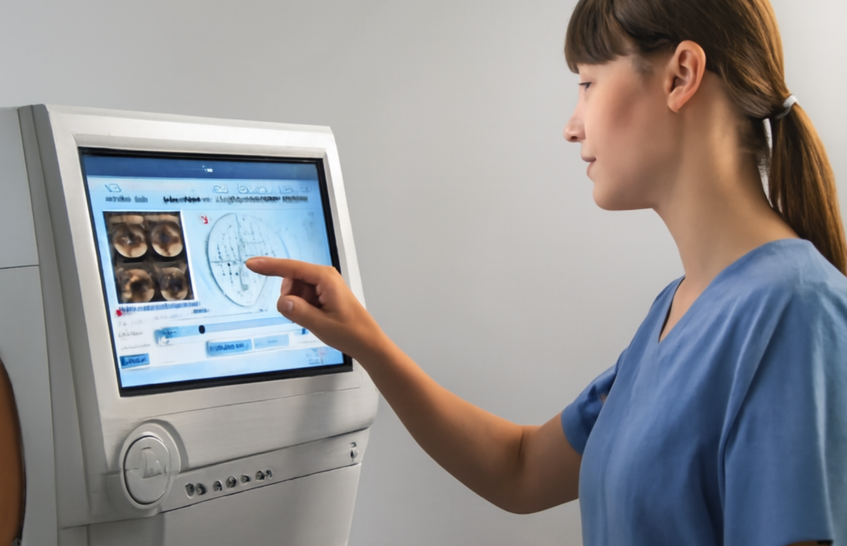
As more devices shift toward sleek, touch-enabled designs, these considerations are especially critical in portable medical equipment. To explore how barrier films support the durability and hygiene of capacitive interfaces in compact healthcare devices, read this guide on
how responsive touch screens are transforming portable medical devices
6. Advantages of High-Quality Barrier Films
A well-specified barrier film provides multiple benefits, including:
Protection of sensitive electronics from environmental damage
Reduced device failures and longer service life
Enhanced hygiene and patient safety in medical use
Flexibility for modern, compact, or wearable designs
Cost savings through reduced maintenance and recalls
These benefits make barrier films an essential part of modern interface engineering.
Moving Ahead with Barrier Film Design
Barrier films are no longer just packaging materials or surface covers. They are functional parts of the interface design, supporting performance, safety, and regulatory compliance. Whether you are building a rugged control panel, a patient-facing medical sensor, or a wearable diagnostic device, choosing the right barrier film can significantly improve the user experience and product lifespan.
If your team is developing a new interface or upgrading an existing product, I can assist with selecting the right film stack, testing procedures, and integration techniques to ensure success. Let me know how I can support your next project.









Write a comment ...